

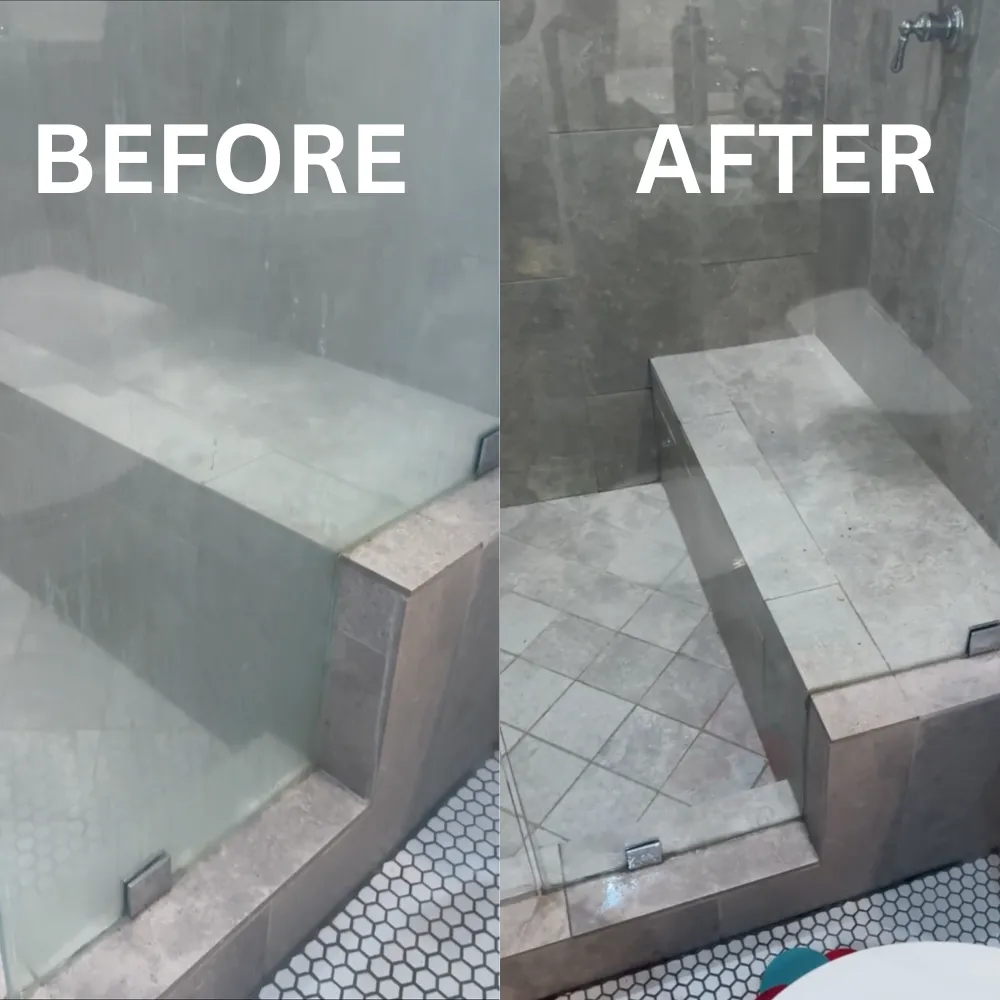
Toothpaste, Baking Soda, and Other Glass Scratch Myths That Make Damage Worse
Why toothpaste, baking soda and other home remedies cannot touch a real scratch, what they leave behind on the panel, and how professional glass polishing actually works.
Why toothpaste, baking soda and other home remedies cannot touch a real scratch, what they leave behind on the panel, and how professional glass polishing actually works.

Hard water haze that returns after every cleaning is not a cleaning problem — it is a glass surface problem. A working pro explains the stages, the test, and the fix.

The limit is not a depth in millimetres. Three field tests, the cases where depth stops mattering, and why a contractor who says no is the one to keep.
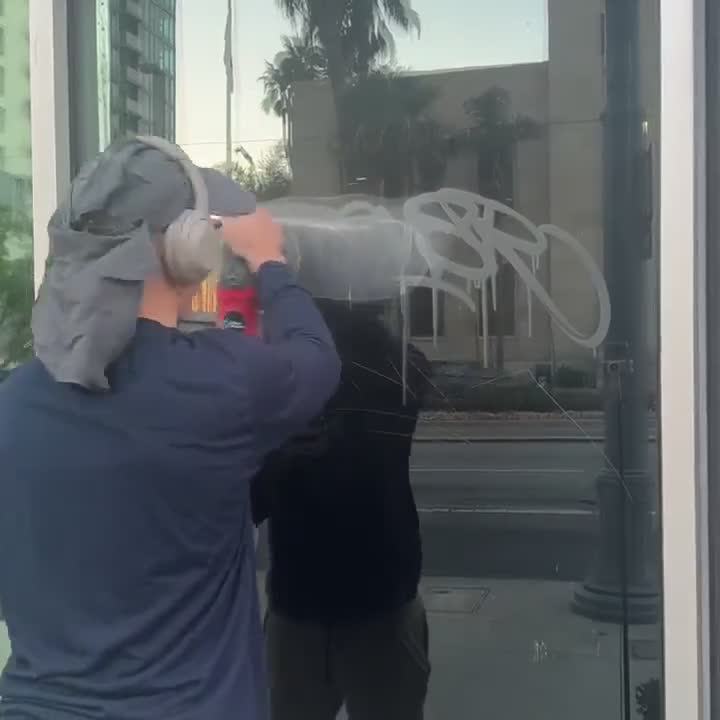
Glass scratch removal is priced per panel, not off a flat rate. Here is what drives the cost in Los Angeles, when restoration beats replacement, and when polishing is the wrong call.
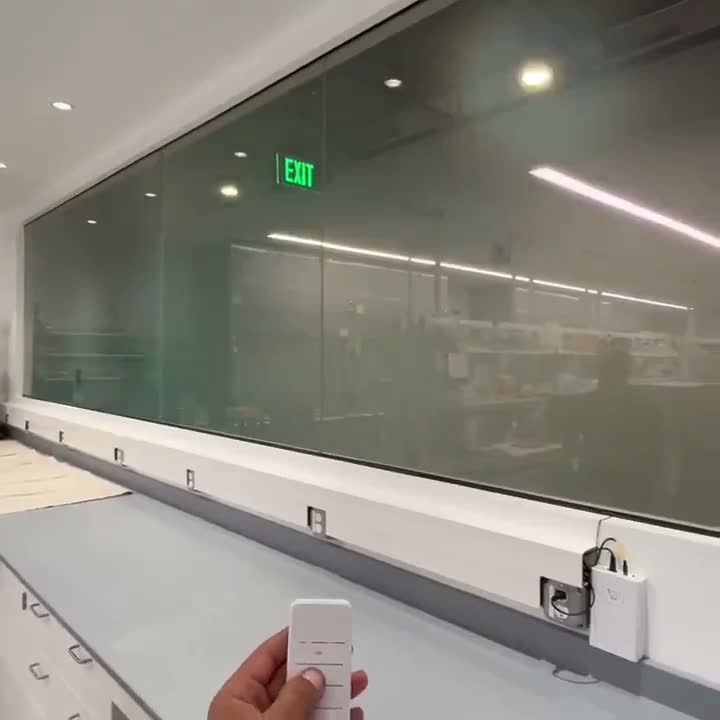
Privacy, anti-graffiti and solar film do three unrelated jobs. Which one solves your problem, why reflective film fails at night, and why damaged glass gets restored first.
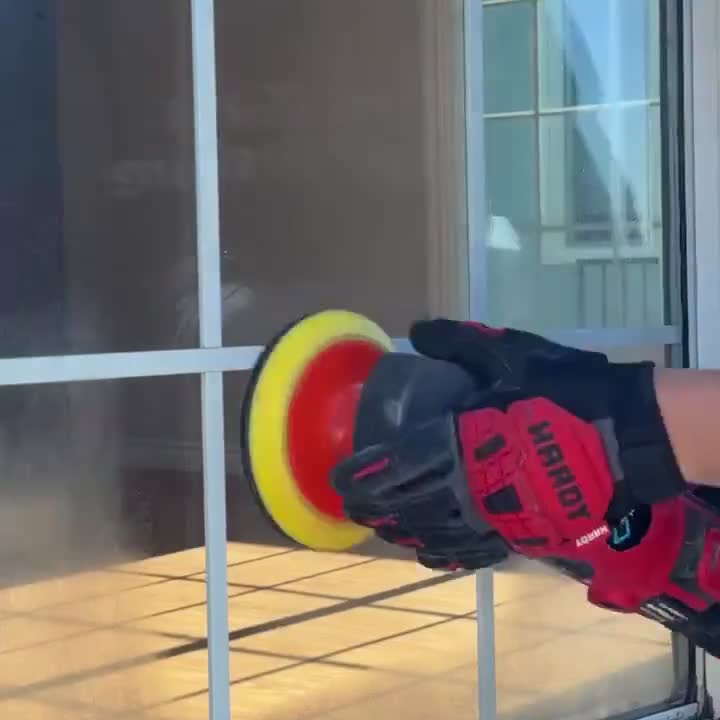
Mineral deposit versus etched glass, the wet-panel test that tells them apart, how professional restoration works, and the panels where polishing is the wrong answer.
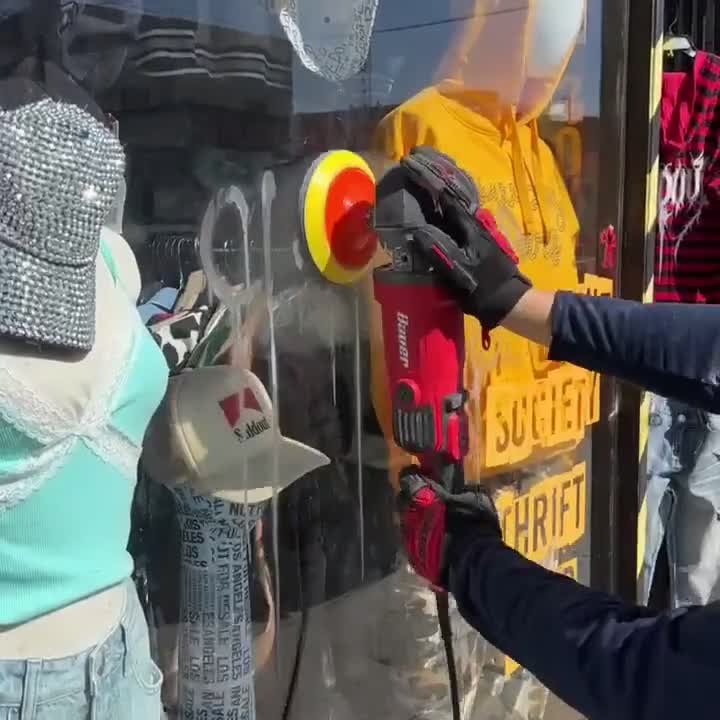
Acid etching and scratch tags are holes in the glass, not coatings. What removal involves, what to do in the first hour, and the panels that cannot be restored.
There is no filler for glass. What scratch restoration actually does, which damage responds to it, which panels are replacement, and the fingernail test that decides.